
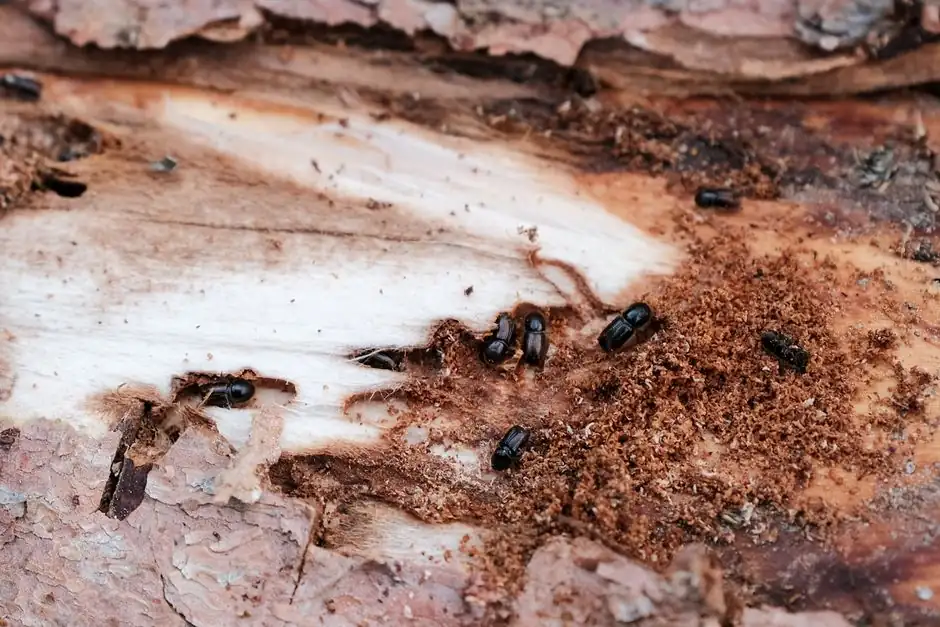
Wood-destroying insects can silently wreak havoc on your home, leading to costly repairs and safety hazards. Knowing how to spot these pests early can save you time and money. In this article, we will discuss how to identify wood-destroying insects, their signs of infestation, and effective prevention strategies, especially for homeowners in Springfield.
Understanding Wood-Destroying Insects
Wood-destroying insects primarily include termites, carpenter ants, and wood borers. Each of these pests targets wood structures, but they do so in different ways. Understanding their behavior and habitat can help you identify potential threats to your home.
Signs of Infestation
Detecting wood-destroying insects early is crucial. Here are some common signs you should look for:
- Wood Damage: Look for hollowed-out wood or wood that sounds hollow when tapped.
- Sawdust Piles: Small piles of sawdust near wooden structures indicate active wood-boring insects.
- Frass: This is insect excrement, often resembling tiny pellets or shavings.
- Mud Tubes: Termites create mud tubes for shelter, often found on walls or foundations.
If you notice any of these signs, it's essential to act quickly to prevent further damage.
Common Types of Wood-Destroying Insects
In Springfield, the most prevalent wood-destroying insects include:
- Termites: These pests are notorious for their destructive capabilities, often causing significant damage before being detected.
- Carpenter Ants: Unlike termites, carpenter ants do not consume wood but excavate it to create nests.
- Wood Borers: These insects lay eggs in wood, and their larvae feed on the wood, leading to structural damage.
Prevention Strategies
Preventing wood-destroying insect infestations is key to protecting your home. Here are effective strategies:
- Regular Inspections: Schedule regular Termite Inspection Springfield VA to catch issues early.
- Moisture Control: Keep your home dry, as moisture attracts pests. Consider using Moisture Control Solutions Springfield VA.
- Seal Entry Points: Inspect and seal cracks and crevices in your home's foundation.
- Proper Landscaping: Ensure that plants and mulch are not in direct contact with your home's wooden structures.
Common Mistakes to Avoid
Many homeowners make mistakes that can exacerbate wood-destroying insect problems. Here are a few to avoid:
- Ignoring Early Signs: Don't dismiss small signs of infestation; they can lead to significant damage.
- DIY Treatments: Using improper treatments can worsen the infestation. Always consult professionals.
- Neglecting Regular Inspections: Skipping annual inspections increases the risk of undetected infestations.
When to Call a Professional
If you suspect a wood-destroying insect infestation, it's time to call in the experts. At Springfield Premier Termite Control, we offer comprehensive Springfield Termite Treatment services to address your pest problems effectively. Our experienced team can assess your situation and provide tailored solutions.
Frequently Asked Questions
How can I tell if I have termites?
Look for signs like mud tubes, hollow-sounding wood, and sawdust. If you notice any of these, contact a professional for an inspection.
What is the best way to prevent wood-destroying insects?
Regular inspections, moisture control, and proper sealing of entry points are crucial for prevention.
Are wood-destroying insects seasonal?
Yes, many wood-destroying insects are more active during warmer months, making regular inspections during spring and summer essential.
Can I treat wood-destroying insects myself?
While some DIY treatments exist, they often fail to address the root of the problem. It's best to consult professionals for effective solutions.
How often should I have my home inspected?
Annual inspections are recommended to ensure early detection and treatment of any potential infestations.
Get help with Termite Control in Springfield
If you suspect wood-destroying insects in your home, don't wait until it's too late. Contact us at Springfield Premier Termite Control for expert assistance in protecting your home. Call us today at +17039120937.